
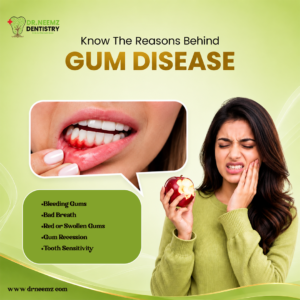
What Are the Signs of Serious Gum Disease? Warning Symptoms You Should Never Ignore
Introduction
Many people think bleeding gums are a small problem caused by
brushing too hard. Others ignore bad breath or mild gum swelling for
months without realizing these can be early warning signs of gum
disease.
That delay is exactly why gum problems often become severe.
Gum disease usually develops slowly and silently. In the early stages,
symptoms may feel minor or painless, which makes many people
ignore them until the condition starts affecting their teeth, gums, and
overall oral health.
The dangerous part is this by the time severe pain or loose teeth
appear, the damage may already be advanced.
Understanding the warning signs early can help prevent long-term
dental problems and tooth loss.
What Is Gum Disease?
Gum disease is an infection and inflammation of the gums caused
mainly by plaque and bacteria buildup around the teeth.
When plaque is not cleaned properly, bacteria begin irritating the
gums. Over time, this can damage:
• Gum tissue
• Bone supporting the teeth
• Ligaments holding teeth in place
Gum disease generally starts as gingivitis, which is mild gum
inflammation. If ignored, it can progress into periodontitis, a more
serious condition that may lead to tooth loss.
Early Signs of Gum Disease
Many early symptoms are painless, which is why people often ignore
them.
1. Bleeding While Brushing or Flossing
Healthy gums should not bleed regularly.
Occasional irritation may happen, but frequent bleeding is often one
of the earliest warning signs of gum inflammation.
Many people normalize this symptom instead of treating it seriously.
2. Swollen or Red Gums
Healthy gums usually appear firm and light pink.
If gums look:
• Puffy
• Red
• Tender
• Inflamed
it may indicate bacterial infection or gum irritation.
3. Persistent Bad Breath
Bad breath that continues even after brushing may indicate bacteria
trapped below the gumline.
Mouthwash may temporarily mask the smell, but it does not remove
the underlying infection.
4. Gum Sensitivity or Pain
Some people experience discomfort while eating, brushing, or
touching the gums.
Sensitivity may develop because inflamed gums become more
vulnerable to irritation.
Signs Gum Disease Is Becoming Serious
As gum disease progresses, the symptoms often become more
damaging.
5. Receding Gums
If teeth suddenly appear “longer,” the gums may be pulling away
from the teeth.
Gum recession exposes sensitive tooth roots and weakens support
around the teeth.
6. Loose Teeth
One of the most serious warning signs is teeth becoming loose or
shifting position.
This may happen because advanced gum disease damages the bone
supporting the teeth.
Many patients ignore earlier symptoms until teeth actually start
moving.
7. Pus Around the Gums
Pus or discharge near the gums is a sign of active infection and should
never be ignored.
This usually requires immediate dental attention.
8. Difficulty Chewing
Pain or discomfort while chewing may happen when gum infection
affects deeper supporting structures.
Some patients unconsciously begin chewing only on one side of the
mouth to avoid discomfort.
What Causes Gum Disease?
Several habits and conditions increase gum disease risk, including:
• Poor oral hygiene
• Smoking
• Plaque and tartar buildup
• Diabetes
• Hormonal changes
• Teeth grinding
• Irregular dental visits
• Poor diet
But the biggest issue is usually delayed treatment.
Many people wait until severe symptoms appear before visiting a
dentist.
What Happens If Gum Disease Is Ignored?
Untreated gum disease may lead to:
• Severe gum infection
• Bone loss
• Tooth mobility
• Tooth loss
• Chronic bad breath
• Gum recession
• Pain while eating
In advanced cases, treatment becomes more complex and expensive
compared to early preventive care.
How Dentists Treat Gum Disease
Treatment depends on the severity of the condition.
Common treatments include:
• Professional dental cleaning
• Scaling and root planing
• Deep cleaning below the gums
• Antibiotic support
• Gum treatment procedures
• Improved oral hygiene guidance
Early-stage gum disease is often reversible with proper care and
professional cleaning.
Advanced gum disease requires more intensive treatment and long-
term maintenance.
How to Protect Your Gums
Healthy habits can significantly reduce gum disease risk.
Important preventive steps include:
• Brushing twice daily
• Flossing regularly
• Professional dental cleaning
• Reducing smoking
• Controlling plaque buildup
• Regular dental checkups
Consistency matters more than occasional intensive cleaning.
Conclusion
Ignoring bleeding gums, bad breath, or gum swelling may seem
harmless at first, but these early warning signs can gradually lead to
serious gum disease and long-term dental problems if left untreated.
The earlier gum issues are identified, the easier and more effective the
treatment usually becomes.
Regular dental checkups and professional cleaning play an important
role in maintaining healthy gums and preventing future complications.
If you are experiencing signs of gum disease or looking for
professional gum care treatment, schedule a consultation at Dr Neemz
Dentistry. Our team focuses on personalized dental care, advanced
gum treatment solutions, and preventive oral health support to help
patients maintain healthier gums and confident smiles comfortably.