
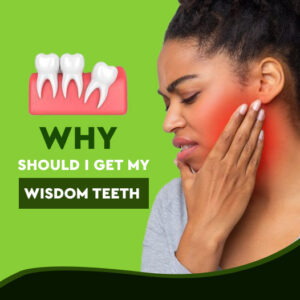
Wisdom Tooth Removal When You Need It, Pain Level
& Healing Time
Wisdom tooth pain usually starts small. A little discomfort while
chewing, mild swelling near the back teeth, or food getting stuck
often doesn’t feel serious at first. Because the pain comes and
goes, many people ignore it until it suddenly becomes difficult to
eat, sleep, or even open the mouth properly.
Wisdom teeth are the last set of molars that usually appear between
the ages of 17 and 25. Some people have enough space for them to
grow normally, but many don’t. When there isn’t enough room,
wisdom teeth can grow in the wrong direction, stay trapped under
the gums, or create pressure on nearby teeth.
Knowing when wisdom tooth removal is necessary can help you
avoid severe pain, infection, and more complicated dental
problems later.
When Does a Wisdom Tooth Need Removal?
Not every wisdom tooth needs to be removed. Dentists usually
recommend removal only when the tooth is causing pain, infection,
or other oral health issues.
Pain or Swelling
One of the most common signs is repeated pain at the back of the
mouth. You may also notice swelling around the gums or jaw,
especially while chewing.
Food Getting Stuck
Wisdom teeth often grow partially through the gums, leaving small
gaps where food easily gets trapped. These areas are hard to clean
properly and can lead to bacteria buildup and bad breath.
Infection or Gum Inflammation
When bacteria collect around a partially erupted wisdom tooth, the
gums can become swollen, red, and painful. Some people may
even notice pus or difficulty chewing.
Impacted Wisdom Tooth
An impacted wisdom tooth is a tooth that cannot grow properly
because it is blocked by another tooth or trapped inside the
jawbone. This is one of the main reasons people experience
wisdom tooth pain.
Impacted teeth may grow sideways or push against nearby teeth,
creating discomfort and pressure.
Damage to Nearby Teeth
A growing wisdom tooth can affect the neighboring tooth by
creating pressure or increasing the risk of decay between the teeth.
Crowding Concerns
In some cases, wisdom teeth may affect the alignment of teeth,
especially for people who have had braces or aligner treatment.
Cyst Formation
Sometimes, a small fluid-filled sac called a cyst can develop
around an impacted wisdom tooth. If left untreated, it may damage
nearby bone or teeth.
Signs You Shouldn’t Ignore
Wisdom tooth problems do not always cause constant pain.
Sometimes the symptoms are mild in the beginning but become
worse over time.
Here are some common warning signs:
• Jaw pain
• Swollen or bleeding gums
• Difficulty opening the mouth
• Pain while chewing
• Bad breath
• Headache near the jaw area
• Repeated gum infection
• Swelling around the cheek
If these symptoms keep returning, it’s important not to ignore
them.
Is Wisdom Tooth Removal Painful?
This is one of the biggest fears people have before treatment.
The good news is that modern wisdom tooth surgery is usually
much more comfortable than most patients expect. During the
procedure, the dentist uses local anesthesia to numb the area
completely. This means you may feel slight pressure, but you
should not feel pain during the extraction.
For nervous patients, additional options may be available to help
them feel relaxed during the procedure.
Most discomfort happens after the treatment, not during it. Mild
soreness, swelling, or jaw stiffness for a few days is normal and
usually manageable with medications and proper care.
Many patients actually say the pain from the infected wisdom tooth
was worse than the removal itself.
Healing Time & Recovery
Wisdom tooth recovery is different for everyone, especially if the
tooth was impacted. However, most people start feeling much
better within a few days.
First 24 Hours
Mild bleeding and swelling are common during the first day. Rest
is important during this time.
Patients are usually advised to:
• Use ice packs
• Eat soft foods
• Avoid using straws
• Avoid smoking
• Bite gently on gauze if needed
After 2–3 Days
Swelling and discomfort usually begin reducing. Most people can
return to light daily activities during this stage.
Soft foods like yogurt, soup, rice, smoothies, and mashed potatoes
are easier to eat during recovery.
Around 1 Week
Most visible healing improves within a week. Jaw stiffness and
soreness reduce significantly, and normal activities become more
comfortable again.
Although the gums may heal quickly, complete tooth extraction
healing time inside the bone can take several weeks.
What Happens If You Delay Removal?
Delaying wisdom tooth removal can sometimes lead to bigger
problems later.
Common risks include:
• Infection spreading to nearby gums or teeth
• Severe pain and swelling
• Damage to surrounding teeth
• Tooth decay in nearby molars
• More difficult surgery later
Early treatment is usually simpler and easier to recover from
compared to waiting until the pain becomes severe.
Final Thoughts
Wisdom tooth problems rarely disappear on their own once
symptoms start repeating. Getting the tooth checked early can help
prevent infection, severe pain, and unnecessary complications.
At Dr Neemz Dentistry, wisdom tooth removal is planned with
patient comfort, safety, and smooth recovery in mind. Early
consultation often makes the treatment easier and helps patients
recover faster with less discomfort.
If you are experiencing wisdom tooth pain, swelling, or difficulty
chewing, consulting a dental professional early can make a big
difference in your recovery experience.